


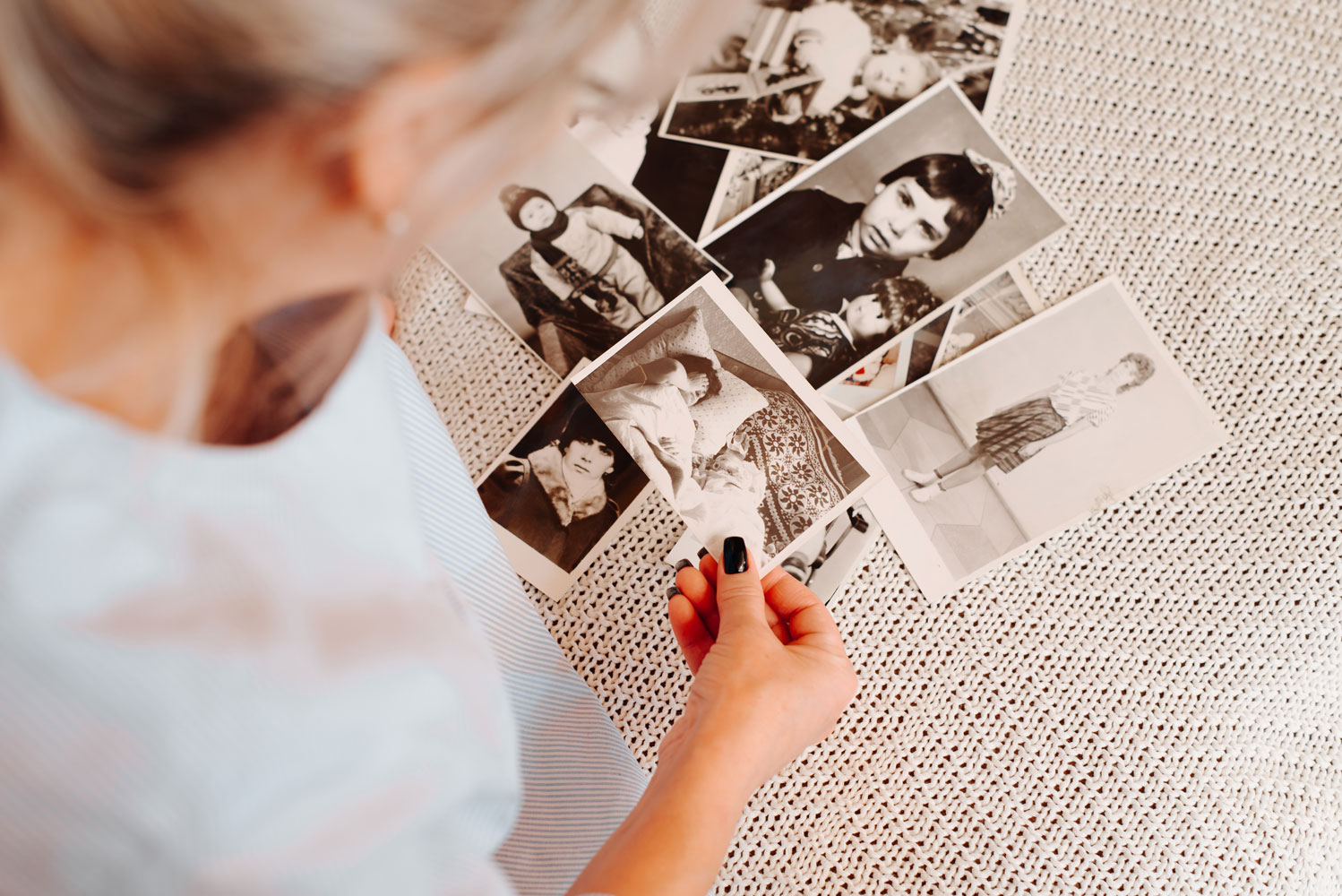
If you have old family photos sitting in a box that are faded, torn, stained, or water-damaged, photo restoration in Littleton can bring them back. What once looked like a permanent loss can actually be recovered with professional care and the right technique.
Restoration isn’t magic, but it’s close. A skilled restorer can repair creases, fix tears, remove stains, brighten faded colors, and repair water damage. The goal is simple: make your treasured memories look like they did when they were first taken, or as close as possible.
Let’s walk through what photo restoration actually is, what kinds of damage can be fixed, and how to know if your photos are worth restoring.
Related: Photo Restoration Near Me: Find Local Experts in 2026
What Kinds of Damage Can Be Restored?
Not every photo problem looks the same, and that’s why restoration is so specific. Here’s what professionals can usually fix:
- Tears and creases. If your photo got folded or ripped, restoration can repair those breaks in the image.
- Fading. Old color photos fade over time. Restoration brings back lost color and detail.
- Stains and spots. Coffee, water marks, dirt, or age-related staining can all be removed or greatly reduced.
- Water damage. Flooding, spills, or humidity can warp and discolor photos. Specialized restoration addresses this.
- Bleaching. Exposure to sunlight or harsh conditions can bleach out color. That can be restored.
- Mold or mildew. If moisture got to your photos, the damage might be visible. Restoration can clean and repair.
The key is that if the damage is visual but the photo itself still exists, there’s usually a way to improve it.
How Photo Restoration Actually Works
The process starts with assessment. A professional looks at your photo and decides whether restoration makes sense and what approach will work best.
Then comes digitization. Your physical photo gets scanned at high resolution so the restorer can work on a digital copy. This is important because it preserves the original and gives the restorer a clean digital file to work with.
From there, the restorer uses specialized software and technique to repair damage. Tears get digitally stitched back together. Stains are removed. Fading is corrected. Creases are smoothed. Each fix is done carefully to keep the photo looking natural, not over-processed.
Finally, you get a restored digital file. From there, you can print it, share it with family, store it safely, or use it however you want. Many people keep both the restored digital version and the original photo.
If you’re not sure whether your photos are candidates for restoration, Mountain View Photo, LLC offers consultation services. A professional can look at your photos and tell you what’s possible.
Why Restore Photos Instead of Replacing Them?
You can’t replace a damaged original photo. Even if you had the negative (which you probably don’t), recreating that exact moment is impossible.
Restoration preserves what you have. It respects the history of the photo itself. And it often costs far less than you’d think.
Related: Photo Restoration for Damaged Old Photographs: Complete Guide
Beyond that, restored photos are shareable. Once you have a digital copy, you can print copies for family members, create a photo book, frame it, or store it safely in the cloud. A damaged original photo in a box helps no one. A restored version can be enjoyed for generations.
What to Expect During the Restoration Process
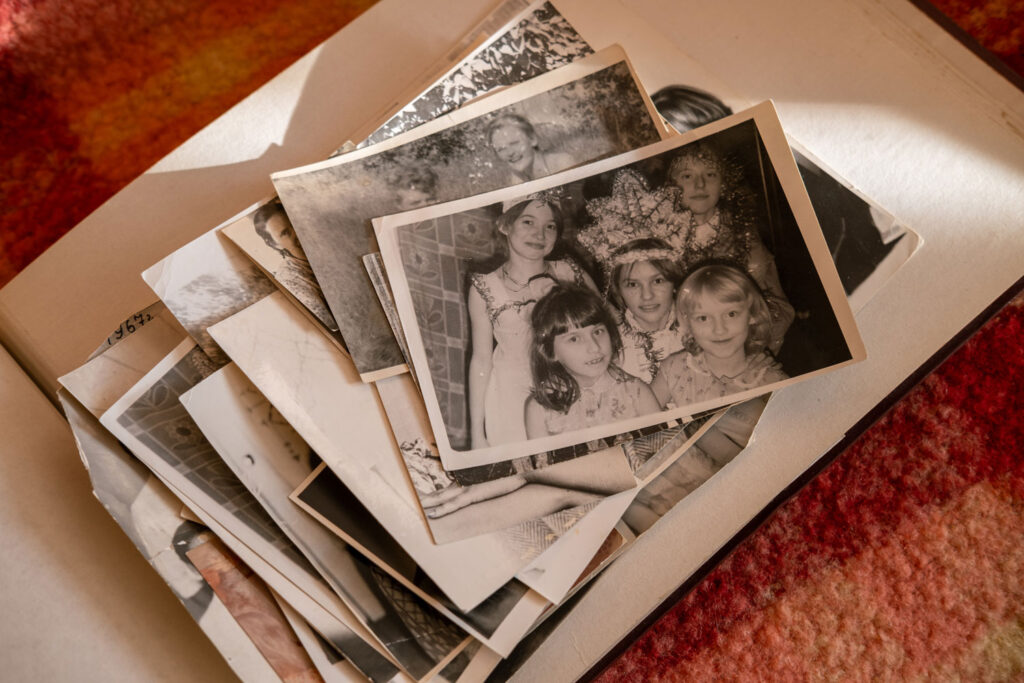
If you bring photos to a restoration professional, here’s what typically happens:
- Drop-off or walk-in. You bring your photos in and describe the damage or what you’d like improved.
- Assessment. The restorer examines your photos and gives you an idea of what’s possible and how long it will take.
- Scanning. Your photos get digitized at high resolution so work can begin.
- Restoration work. The digital file is repaired, restored, and enhanced according to the plan.
- Review. You get to see the restored version and approve it before the final version is delivered.
- Delivery. You receive your restored digital file (and usually your original photo back).
The timeline depends on how many photos you’re restoring and how severe the damage is. A single heavily damaged photo might take a week or two. A batch of moderately faded family portraits might take similar time.
Scanning and Digitization Matter Too
You might think scanning is just about making a digital copy. But how it’s done really matters.
Professional scanning captures fine detail that a smartphone camera or a drugstore scanner would miss. High-resolution scanning preserves subtle textures, small details, and color accuracy that matter for restoration. It’s also the safety net: once your photo is digitized properly, it’s backed up and safe from future damage.
After restoration, you have both a restored digital file and the original photo. That means you’ve protected the past while creating something you can actually use and share.
Should You Restore or Let It Go?
Not every damaged photo is worth restoring. Here’s how to think about it:
If the photo is sentimental, irreplaceable, or one of the few images you have of someone important, restoration probably makes sense. If it’s a blurry snapshot or a duplicate you have copies of elsewhere, maybe not.
Cost matters too. Get a consultation and a quote. Then decide if the emotional value is worth the investment.
When you’re ready to explore what’s possible for your family photos, Mountain View Photo, LLC can help assess your photos and walk you through the restoration process.
FAQs About Photo Restoration in Littleton
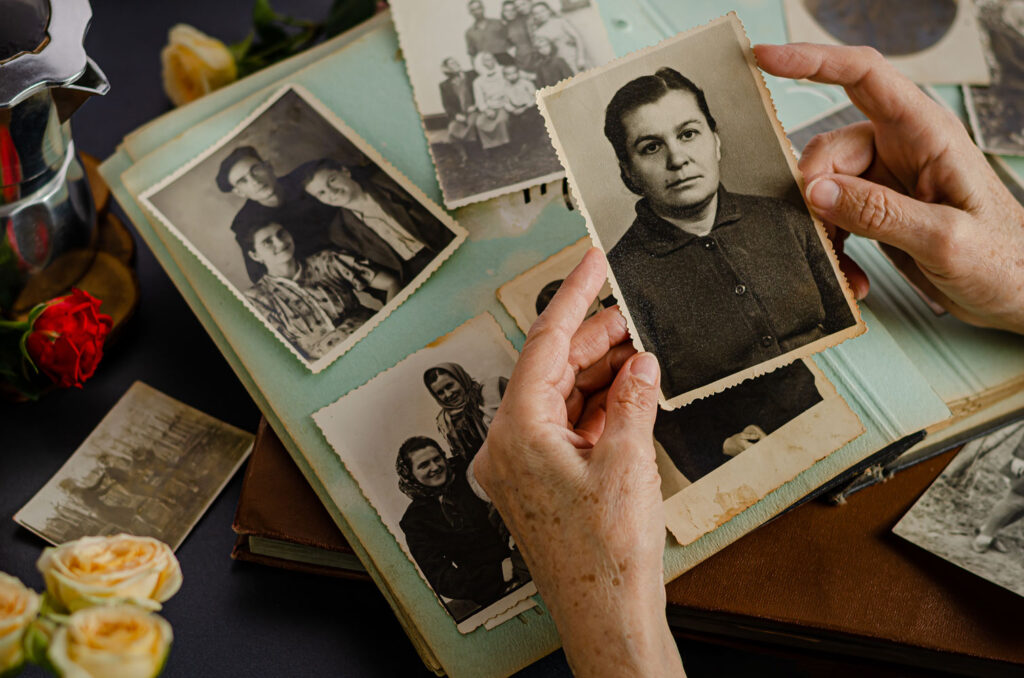
Can water-damaged photos really be restored?
Yes. Water damage is one of the more common restoration jobs. Whether the damage is from flooding, a spill, or humidity, professionals can clean up the image, repair warping or discoloration, and bring back lost detail. The results depend on how severe the damage is, but most water-damaged photos can be significantly improved.
Will restored photos look fake or over-processed?
Good restoration should look natural. The goal is to make the photo look like it did when it was taken, not to create an artificial or heavily edited look. A skilled restorer balances enhancement with authenticity.
Can I restore very old photos from the 1800s or early 1900s?
Yes. Black and white photos, sepia-toned images, and early color prints can all be restored. Older photos often have more fragile damage like creasing and fading, but those are exactly what restoration fixes. Digitizing and restoring old family heirlooms is a popular service.
What’s the difference between restoration and enhancement?
Restoration fixes damage: tears, stains, fading, water damage. Enhancement improves what’s already there: brightening, sharpening, improving contrast. Most photo restoration includes a little of both to get the best result.