


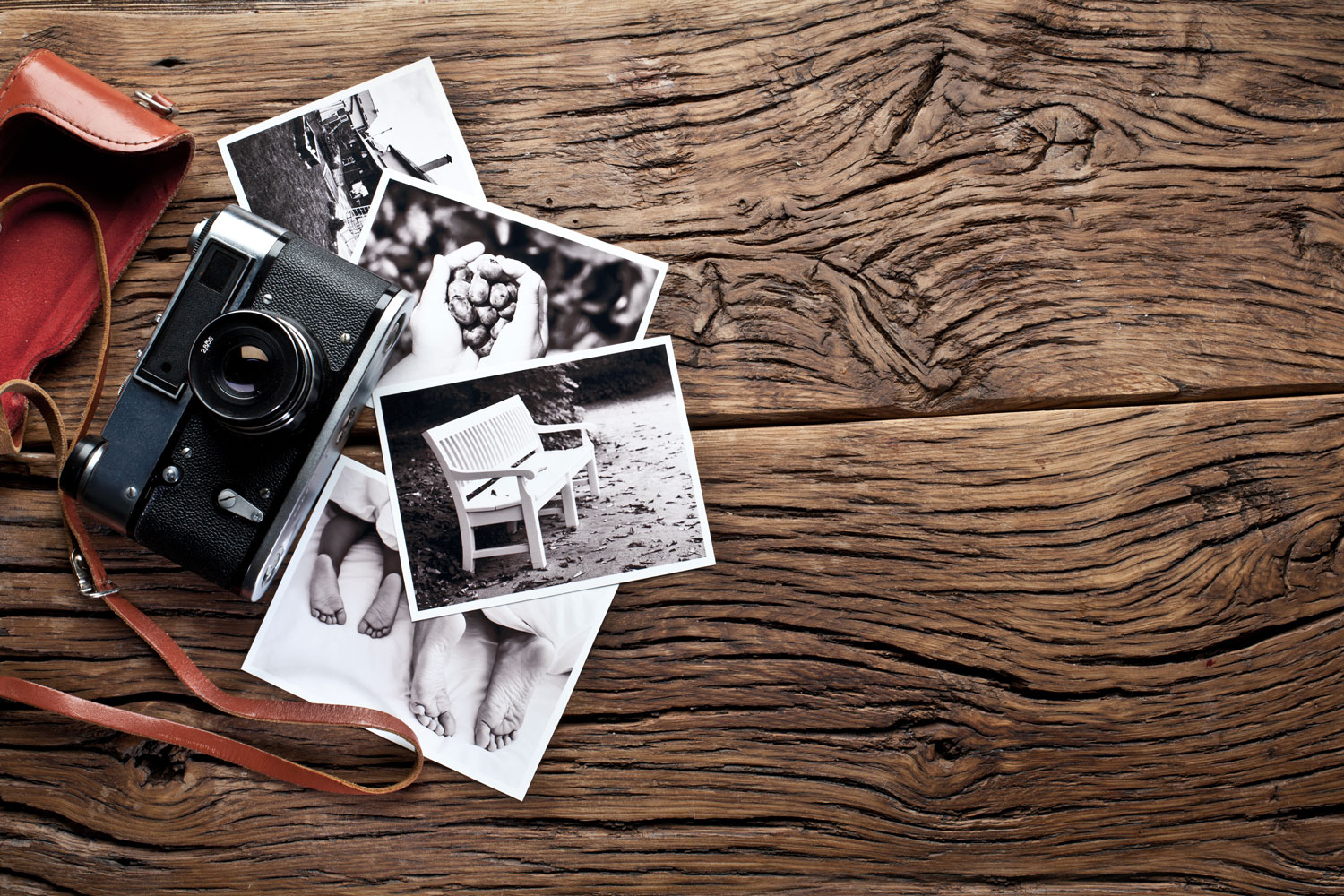
Looking for photo restoration near you? The good news is that professional restoration services are available in communities across the country, and finding the right specialist doesn’t have to be complicated. Whether you have old family photos, damaged slides, or vintage film reels sitting in a box, local photo restoration experts can bring those memories back to life.
The process starts with knowing what you’re looking for and how to identify a trustworthy provider in your area. Let’s walk through how to find, evaluate, and work with a photo restoration specialist near you.
Related: High School Senior Pictures Near Me: Local Guide
What Photo Restoration Services Actually Include
Photo restoration isn’t just one thing. It’s a whole toolkit of services designed to rescue and preserve your precious images.
Scanning is the foundation. A specialist will take your original photos and convert them to digital files so you have backups and can print new copies. Restoration itself involves cleaning up damage like fading, scratches, creases, and stains. Color correction brings faded colors back to life. Some photos need both scanning and restoration combined.
But it doesn’t stop there. Many local restoration businesses also handle slides, negatives, Super 8 film, VHS tapes, and old video footage. DVD creation, film-to-digital conversion, and video transfer services let you preserve media in formats you can actually use and share.
When you search for photo restoration near you, look for providers offering this range. It means they have the equipment and expertise to handle whatever you bring them.
How to Find a Photo Restoration Specialist Near You
Start by searching online directories and review sites. These platforms list local photo restoration businesses organized by location, complete with customer ratings, reviews, and contact information. You’ll get a sense of who’s reputable and who people actually trust.
Related: Photo Restoration for Damaged Old Photographs: Complete Guide
Call a few places directly. A real conversation tells you a lot. Ask about their experience with your specific type of photo or film. Ask if you can see before-and-after examples. Good specialists will be happy to show their work and explain their process.
Visit in person if you can. Many established photo restoration businesses have physical locations where you can drop off materials, discuss your project face to face, and see their portfolio. Being able to walk in and talk to someone builds confidence.
Online reviews matter, but pay attention to what people specifically praise. Are they talking about quality results? Fast turnaround? Friendly service? That tells you what the business is actually good at.
What to Look For in a Local Photo Restoration Provider
Not all restoration services are equal. Here’s what separates the good ones from the rest.
Look for an established track record. A business that’s been doing this for years has seen every kind of damage and knows how to fix it. They’ve invested in quality equipment and training.
Check their before-and-after portfolios. You want to see real examples of work they’ve done. Can they handle the specific damage your photos have? Did they restore color accurately? Do the results look natural, or overly edited?
Ask about their experience with different media types. Someone who only does photo scanning might not be your best choice if you also have old film reels. Find a specialist who can handle everything you need.
Consider convenience. How do you get your materials to them? Do they accept drop-offs at a physical location? Do they offer mail-in services if you’re not nearby? How long does the work take? What’s their communication like while your project is underway?
Finally, find out if they offer consultation. The best providers will talk through your project, explain what restoration is possible, and help you understand what to expect. That kind of professionalism usually signals good work.
Steps to Get Your Photos Restored

Once you’ve found someone you trust, here’s what usually happens.
First, you meet or contact them with your materials. Bring your photos, slides, film, or whatever you have. Be honest about the condition and describe any concerns. A good specialist will ask questions about where the photos came from and what happened to them, since that context helps with restoration.
They’ll give you an estimate for the work. This might be per photo, per slide, per hour, or a flat project rate depending on what you need. Ask about their process and timeline.
You drop off or mail in your materials. If it’s mail-in, use careful packaging. Original photos are irreplaceable.
The specialist scans, cleans, restores, and handles color correction. This takes time done right. Rushing usually shows in the results.
You review the work and approve final output. Digital files get delivered, prints get made if you want them, or everything goes on a DVD or USB drive.
You walk away with restored images, digital backups, and the peace of mind that your memories are preserved.
Why Choose Local Photo Restoration Over DIY
Sure, you could try editing old photos yourself with software. But there’s a reason professionals exist.
Professional restorers have equipment designed specifically for scanning old media. They understand how to handle fragile originals without damaging them further. They know how to detect and correct color shifts that happened over decades. They have techniques for removing damage that looks impossible to fix.
Most importantly, they understand that your photos matter. A specialist brings experience, attention to detail, and respect for your materials that you can’t replicate at home.
If your photos are truly precious to you, getting professional help is worth it. Think of it as insurance for your family’s visual history.
Questions to Ask Before You Commit
Here are the questions that matter.
- How many years have you been doing photo restoration?
- Can I see before-and-after examples of work similar to mine?
- What formats can you handle (slides, negatives, film, video)?
- How do I get my photos to you, and how long does the process take?
- What happens if I’m not happy with the results?
- Do you provide digital files, prints, or both?
- How will you handle and store my original photos during the restoration?
If a provider gives you honest, detailed answers and makes you feel confident, you’ve probably found a good match.
Protecting Your Originals During Restoration
Your original photos are unique. Before you hand them over, understand how they’ll be treated.
Ask if the specialist makes a digital copy first before doing any restoration work. Many do this as a safety step. Ask about their handling procedures. Original photos should never be cleaned with water or chemicals that could cause more damage. Scanning should be done carefully to avoid scratching delicate surfaces.
Find out about insurance or liability if something goes wrong during the process. Reputable businesses will have clear policies about this.
And get a timeline in writing. You want to know when you’ll get your photos back, and you don’t want them sitting in storage for months.
When to Use Photo Restoration Services
You might be thinking, “Do I really need professional restoration?” Here’s when the answer is yes.
Your photos are fading or showing water damage, sun damage, or age spots. You have old slides, negatives, or film reels you want to preserve. You found a box of family photos and want to make sure they survive for the next generation. You’re planning a family event and want to display restored vintage photos. You want digital backups of photos so you don’t lose them to storage accidents.
Any of those situations is a good reason to reach out to Mountain View Photo, LLC or another trusted local specialist and ask about what they can do.
Finding Photo Restoration Near You: Final Checklist
Ready to get started? Use this simple checklist.
- Search online directories for photo restoration services in your area
- Read reviews and look for established businesses
- Call a few places and ask questions about experience and process
- Request before-and-after portfolios
- Ask about specific services you need (scanning, restoration, film conversion, etc.)
- Compare pricing and timelines
- Make your choice based on comfort level and professionalism
- Drop off or mail in your materials and get your memories back
The goal is simple: find someone who treats your photos the way you do, and trusts them to do the work right.
Getting Started With a Local Specialist
Your next step is reaching out. Whether you work with Mountain View Photo, LLC or another provider in your community, contact them and describe what you have.
Most specialists offer free consultations. Tell them about your photos, ask what’s possible, and see if they’re a fit for your project. You’ll walk away knowing exactly what to expect and what your options are.
Your family photos deserve to be preserved, and the right specialist makes that happen.
How long does photo restoration usually take?
That depends on the scope. A single photo might take a few days. A larger project with multiple photos, slides, or film could take weeks. Ask your specialist for a timeline upfront so you know when to expect your restored images back.
Will restoration damage my original photos?
Professional restoration should never damage your originals. The best specialists scan photos first, then work on the digital files. Ask about their handling procedures before you commit. Reputable businesses treat original photos with extreme care.
Can all damage be fixed?
Most damage can be improved significantly. Fading, water damage, scratches, and creases can usually be restored. However, some extreme damage might have limits. A good specialist will be honest about what’s possible and what isn’t.
Should I get prints made or just digital files?
That’s up to you. Digital files give you flexibility, backups, and sharing options. Prints let you display restored photos in your home. Many people do both so they have options. Ask your specialist what formats they offer.