


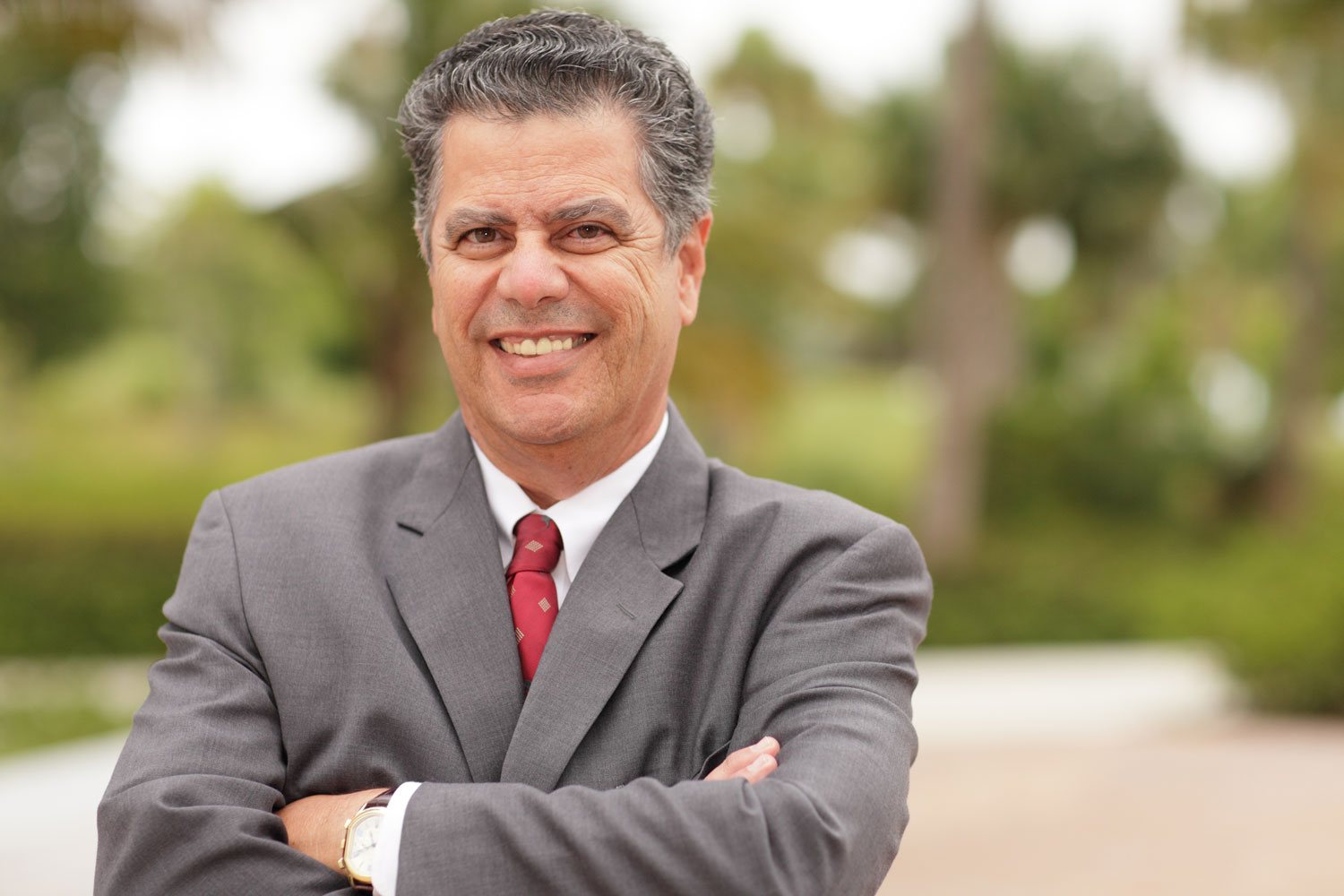
A professional headshot is one of the most important images you’ll ever own. Whether you’re an actor, business professional, entrepreneur, or creative, your headshot is often the first impression you make online. It needs to be polished, authentic, and unmistakably you.
The good news? Nailing a professional headshot isn’t mysterious. It’s about understanding a few key techniques, preparing properly, and working with someone who knows how to bring out your best self. Let’s walk through what makes a professional headshot actually work.
Understanding What a Professional Headshot Is (And Why It Matters)
A professional headshot is a close-up portrait designed to represent you across business and entertainment contexts. It shows your face clearly, captures your personality, and communicates confidence and approachability all at once.
Unlike casual photos, a professional headshot has one job: to make you look like the best version of yourself, right now. That means it should feel current, authentic, and polished without being overly edited or artificial.
You’ll use your headshot on LinkedIn, your personal website, casting sites, social media bios, and industry directories. It might be the image potential clients, collaborators, or employers see before they meet you in person. That’s why the investment in getting it right pays off.
The Right Positioning and Angle for Your Professional Headshot
How you position your body and face makes a huge difference in how your headshot looks and feels.
Start by angling your left shoulder toward the camera at roughly a 45-degree angle. Your shoulders should never be square to the lens. That straight-on stance flattens your features and makes you look stiff. A slight angle creates dimension and looks more natural and approachable.
Your head and eyes should face directly toward the camera, not down or away. You want that eye contact. It creates connection and confidence. Tilt your chin very slightly down (not up). This small adjustment prevents that unflattering under-chin shadow and makes your jawline look sharper.
Think about where your weight is. Lean slightly forward from the waist. It sounds odd, but a tiny forward lean conveys energy and engagement rather than stiffness. Your posture matters because it affects how you feel and how that feeling reads in the photo.
Lighting That Flatters and Defines
Lighting is everything in a professional headshot. Bad lighting can wreck even a great pose. Good lighting sculpts your face, brings out your eyes, and makes you look vibrant.
The strongest light source should hit the side of your face that’s turned away from the camera, not the side facing the lens. So if your left shoulder is angled toward the camera, the main light should be positioned on your right side (your non-dominant side in the shot).
This creates what’s called directional lighting. It adds shape and dimension to your face instead of flattening it. You’ll see natural shadows and highlights that define your cheekbones, jaw, and nose.
Avoid harsh overhead lighting. It casts unflattering shadows under your eyes and nose. Soft, directional light that comes from above and to the side is the sweet spot. If you’re working with Mountain View Photo, LLC, they’ll handle this technical setup so you can focus on feeling confident.
Choosing the Right Wardrobe

What you wear dramatically shapes how your headshot reads. Your wardrobe is part of your professional brand, so choose intentionally.
Related: Professional Headshots On-Site: Your Complete Guide
Related: Professional Headshots Denver Metro: Complete Guide 2026
Stick with solid colors or subtle patterns. Busy patterns distract from your face, which is the whole point. Whites, blacks, navies, grays, and earth tones are reliable choices. Pick colors that complement your skin tone and make you feel confident.
The neckline matters. Crew necks, V-necks, and open collars all work, but avoid turtlenecks or anything that crowds your neck and jawline. You want your face to have breathing room.
Fit is crucial. Your clothes should fit well without being tight or baggy. Tailoring a favorite shirt or blazer might be worth it if the fit isn’t quite right. Poor fit reads as unprofessional in a close-up shot.
If you’re in a creative field, you can lean into personality. An actor might dress differently than an accountant, and that’s fine. Your headshot should feel authentic to who you are professionally. But it should always feel polished and intentional.
Hair, Makeup, and Grooming
You don’t need heavy makeup for a professional headshot. The goal is to look like an enhanced, well-groomed version of yourself, not like you’re wearing a mask.
Get a fresh haircut a week or two before your session so it feels current but has settled into its natural texture. Style your hair the way you normally wear it professionally. Avoid extreme styles or changes. Your headshot needs to look like you every single day.
If you wear makeup, keep it natural and camera-ready. A light foundation, subtle blush, and defined eyebrows go a long way. If you don’t usually wear makeup, don’t start now. Your headshot should feel like you.
Get a good night’s sleep the night before. It sounds simple, but rest shows in your face. You’ll look fresher, more energized, and more like yourself.
Expression and Eyes Make the Difference
Your expression is what separates a good headshot from a great one. You want to look confident, approachable, and genuinely present, not stiff or forced.
Think about your default professional expression. If you’re feeling neutral or blank, it will show. Instead, think of someone you respect or something that makes you feel capable. Let that feeling guide your expression.
Your eyes are doing most of the work. They should feel engaged and connected. Avoid staring into the distance or looking down. Direct eye contact with the lens creates intimacy and trust, even though it’s a camera.
A tiny hint of a smile often works better than a full grin. It feels warm without looking forced. Some professionals go completely neutral. Either approach works, depending on your industry and personality. Talk with your photographer about what feels right for your field.
Why Regular Updates Matter

Your headshot should represent your current self. If your photo looks significantly different from how you look today, it’s time for a refresh.
Actors and casting-hungry professionals often update headshots yearly or every couple of years. Business professionals might update every three to five years. The rule of thumb: if you’ve had a significant haircut, changed your style, or aged noticeably, it’s probably time.
An outdated headshot can actually work against you. People expect to see someone who matches the image when they meet you in person. Keeping your headshot current maintains trust and professionalism.
Choosing a Professional Headshot Photographer
Your photographer is your biggest asset in this process. A good one knows how to position you, light you, and direct you toward an expression that feels natural and confident. They anticipate what works before you even know you need it.
Look for someone with experience shooting headshots in your industry. An actor’s headshot photographer needs different skills than a corporate headshot photographer. Review their portfolio and make sure you connect with their style.
Ask about their process. How many outfit changes do they allow? Will they give you direction and feedback, or do they just shoot? How many final images will you get to choose from? What’s included in retouching? A photographer who explains their process and asks questions about your needs is someone worth working with.
When you’re ready to invest in a professional headshot that truly represents you, Mountain View Photo, LLC can walk you through the entire experience, from wardrobe consultation to final images.
The Day of Your Headshot Session
Arrive early. You want time to settle in, relax, and let your face feel natural. Arriving rushed or stressed shows in your expression.
Bring a couple of wardrobe options if possible. Even slight variations give you choices in your final images. Wear something you feel genuinely confident in, not something you think you “should” wear.
Stay hydrated and avoid heavy meals right before your session. You want to feel comfortable and energized, not bloated or sluggish.
Trust your photographer’s direction. If they ask you to adjust your angle, shift your chin, or try a different expression, lean into it. They’re seeing things through the lens that you can’t see from inside the camera. The best headshots happen when you’re willing to be directed and stay open to the process.
Getting the Most Out of Your Headshots
Once you have your final images, use them everywhere. LinkedIn, your website, social media bios, casting profiles, your email signature. Consistency matters. The more people see your headshot across platforms, the stronger your professional presence becomes.
High-resolution files matter. Make sure you get the full-resolution versions, not just web-compressed versions. You might need different sizes for different platforms, and starting with the highest quality gives you flexibility.
Different versions can serve different purposes too. A headshot works as a tighter crop for social media and a wider shot for a website bio. Talk with your photographer about what files and formats you’ll receive and how to use them.
Can I use a professional headshot for multiple purposes?
Absolutely. A well-executed professional headshot works across LinkedIn, your personal website, social media bios, industry directories, and anywhere else your professional image matters. The versatility is part of why investing in one quality headshot pays off.
How often should I update my professional headshot?
If you’re in entertainment or casting, yearly or every two years is standard. Business professionals typically update every three to five years, or whenever you’ve had a significant change in appearance, style, or career direction. The key is making sure it still looks like you today.
What if I’m nervous on camera?
That’s completely normal. A great photographer is used to working with nervous clients. Tell them you feel anxious, and they’ll help you feel comfortable. Many photographers use music, conversation, and positive feedback during the session to help you relax. The more relaxed you are, the more natural and confident you’ll look.
How much retouching should a professional headshot have?
Light retouching is standard: smoothing skin, brightening eyes, and subtle color correction. Avoid over-edited headshots that look filtered or overly polished. Your headshot should look like an enhanced, well-lit version of you, not a completely different person. Ask your photographer about their retouching approach before you book.